Director's Diary — Entry N°09
World Building Series16 Jun 20263 min
How do you make a film immersive?
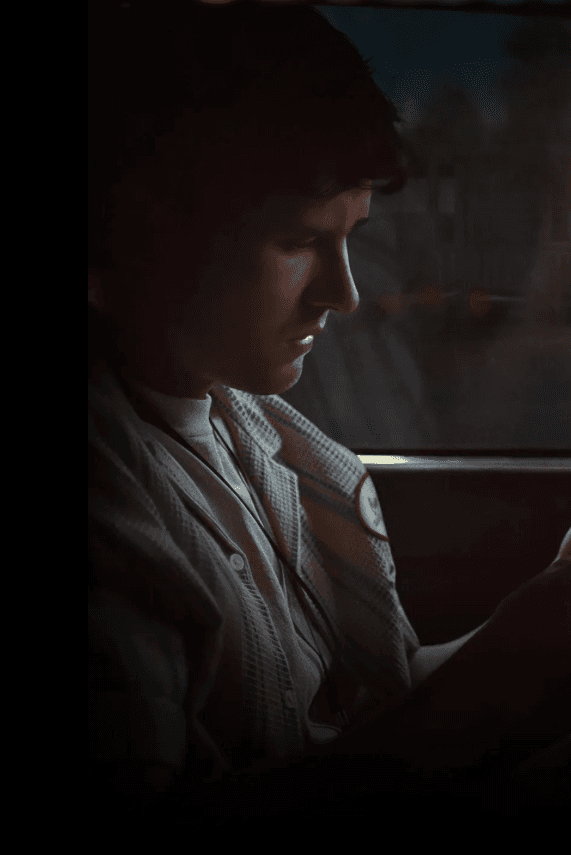
I think about this a lot.
Because immersion isn't about how big the world is.
It isn't about how many locations you have, how expensive the production is, or how much you put on screen.
It's about whether, for a few minutes, you can make someone forget they're watching a film — and make them feel like they're inside the experience.
For me, that comes down to three things.
1. Let it linger.
Don't rush away from the feeling.
If something is uncomfortable, let it be uncomfortable.
If a moment is awkward, don't cut away just because it isn't polished.
Let the silence stay.
Let the pause become longer than expected.
Let someone's expression sit for a second.
Let us hear the breath before the words come out.
Sometimes the most immersive moments are the ones where nothing is happening — but you can feel that something is.
We're so used to films, videos and content constantly moving us to the next thing.
But real experiences don't work like that.
They have pauses. Silences. Uncomfortable moments. Moments where you don't quite know what to feel yet.
Give the audience time to feel it.
2. Commit.
Once you've decided what the film is about, don't be afraid to go there.
Don't soften the moment because it might be uncomfortable.
Don't pull away because it's strange, disturbing, vulnerable or extreme.
Don't explain everything for the audience.
Trust the story.
If the film needs to become darker, let it become darker.
If it needs to become quieter, let it become quiet.
If something feels strange, don't immediately make it familiar again.
Commit to the emotional reality of the story.
Because the moment you start protecting the audience from what the story actually feels like, you create distance.
Immersion requires a certain level of trust.
Trusting the story. Trusting the audience. And trusting yourself enough to take the film where it needs to go.
3. Make everything serve the feeling.
This is where all the pieces come together.
The cinematography. The colours. The lighting. The sound. The music. The performances. The camera movement. The edit. The pacing. The smallest details.
None of them should exist simply because they look good on their own.
A beautiful shot that doesn't belong to the emotional world of the film can actually take you out of it.
The same goes for a piece of music, a colour, a transition, a camera movement or an editing choice.
Every choice should have emotional weight.
If the story feels intimate, the camera should help us feel close.
If it feels overwhelming, the scale should overwhelm us.
If it feels chaotic, perhaps the image, sound or edit should carry some of that chaos.
If it feels still, don't be afraid of stillness.
The form should constantly reinforce the feeling.
Nothing should be fighting against anything else.
Everything works together to pull you deeper.