Director's Diary — Entry N°06
For artists9 Jun 20267 min
The difference between someone who creates content and a Film Director who knows what the moment is really about.
Every significant moment in an artist's career has a story behind it. A tour isn't just a series of shows. An album isn't just a release. A new era isn't just a new visual direction.
There is a reason you created it. Something you wanted to say. Something you were feeling. Something you wanted people to experience. And that is where the role of a Film Director begins.
Because a great film isn't simply about capturing what happened. It's about understanding what the moment is really about — and translating that into film.
The message + the visual language
First, you need to understand the message. What are you trying to say? What does this moment mean to you? Why does it matter? What do you want people to understand and feel?
Then comes the visual language: how we translate that message into something people can see, hear and feel — through cinematography, sound, colour, movement, composition, locations, editing and rhythm. The visual language isn't decoration. It's how the meaning becomes an experience.
You can have incredible cinematography with nothing meaningful underneath it. Or a powerful message that never becomes a powerful visual experience. A Film Director brings the two together.
And that understanding means the film can represent you properly — your artistic identity, your ambition, your work and the significance of the moment. Because when you've spent months — sometimes years — building something, the way it is captured becomes part of how that chapter is represented and remembered.
A great Film Director directs the experience
They're not only asking, "What should we film?" They're asking, "What should people experience?" What should they notice? What should they feel? What should bring them closer to the work? What should stay with them afterwards?
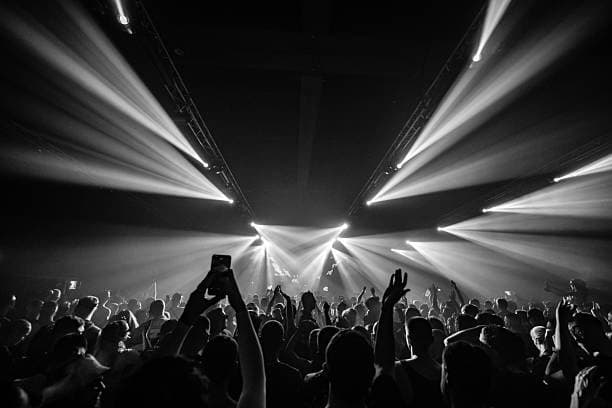
Sometimes that means filming the performance. Sometimes it's the silence before it — the people around you, the rituals, the conversations, the first note, the crowd. The tiny details that reveal what this chapter actually felt like. A Film Director knows what to look for — and what not to film.
And it's not just about the creative
When you're filming one of the biggest moments of an artist's career, the creative is only part of the job. The director also needs to be someone you can trust with the moment.
Because some moments don't come twice. A tour date happens once. The album launch happens once. The comeback happens once. The room, the crowd, the energy, the people involved — you can't simply recreate it later if the production isn't ready. So the questions to ask go beyond the portfolio.
Can I trust them?
Do they understand the level of responsibility involved? Will they handle the artist, team, access and information professionally? Will they make the people around you feel comfortable?
Are they reliable?
Are they prepared? Do they communicate clearly? Do they arrive ready? Do they have a plan for the day — and the ability to adapt when reality changes?
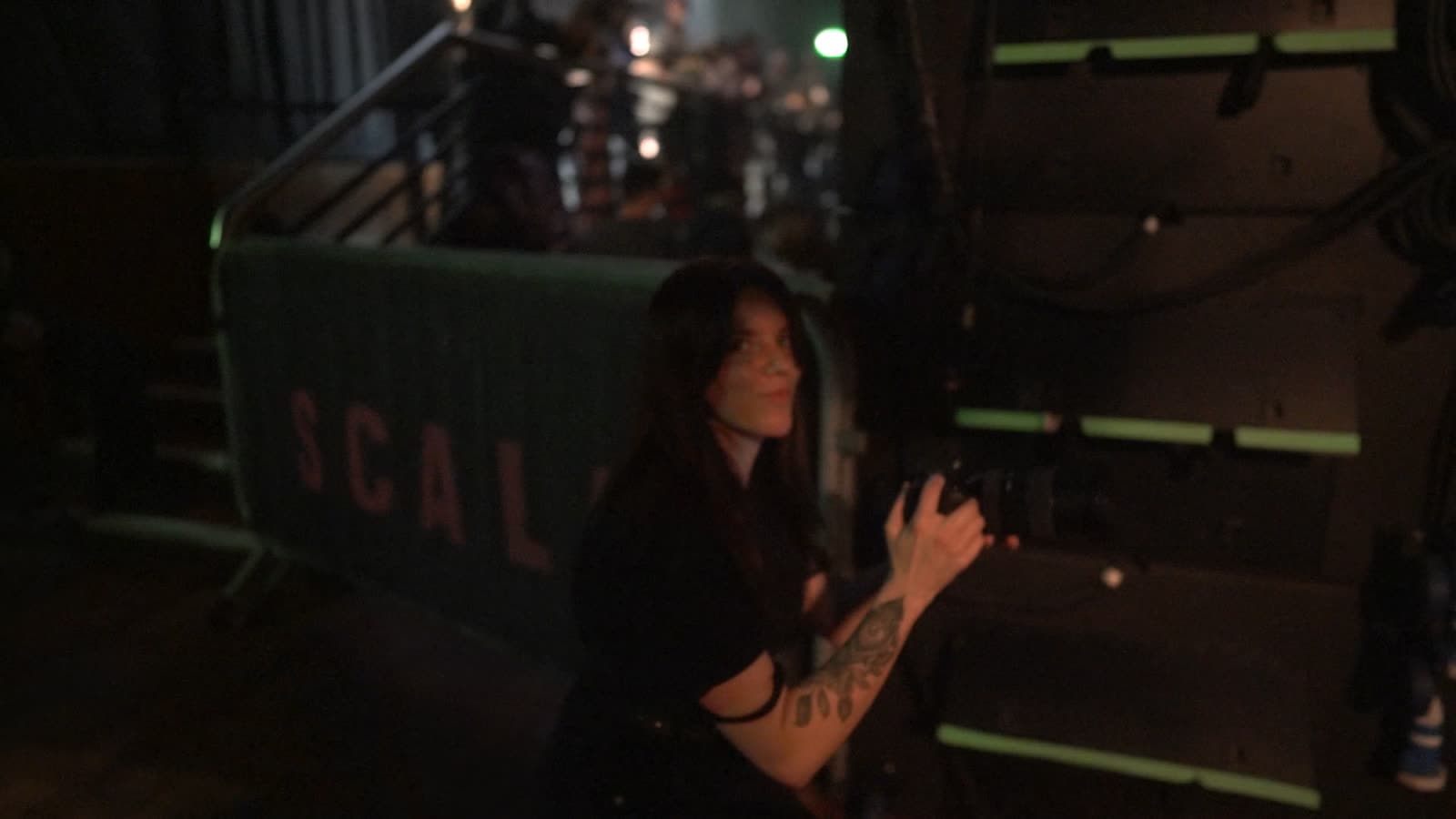
Can they direct a team?
A Film Director isn't working alone. Can they communicate their vision clearly to a cinematographer, camera team, sound, lighting, production and other crew? Can they make creative decisions while keeping the whole production moving? Can they lead without creating unnecessary chaos?
Can they work with your team?
Can they collaborate with management, label, PR, production, tour teams and everyone else involved? Do they understand that the film has to fit into the reality of an artist's career — not exist separately from it?
Can they handle the pressure of the moment?
When something changes at the last minute, can they stay focused? When the schedule moves, can they adapt? When something unexpected happens, can they still see the story? Because directing isn't only about having a vision. It's about being able to bring that vision to life when things don't go exactly to plan.
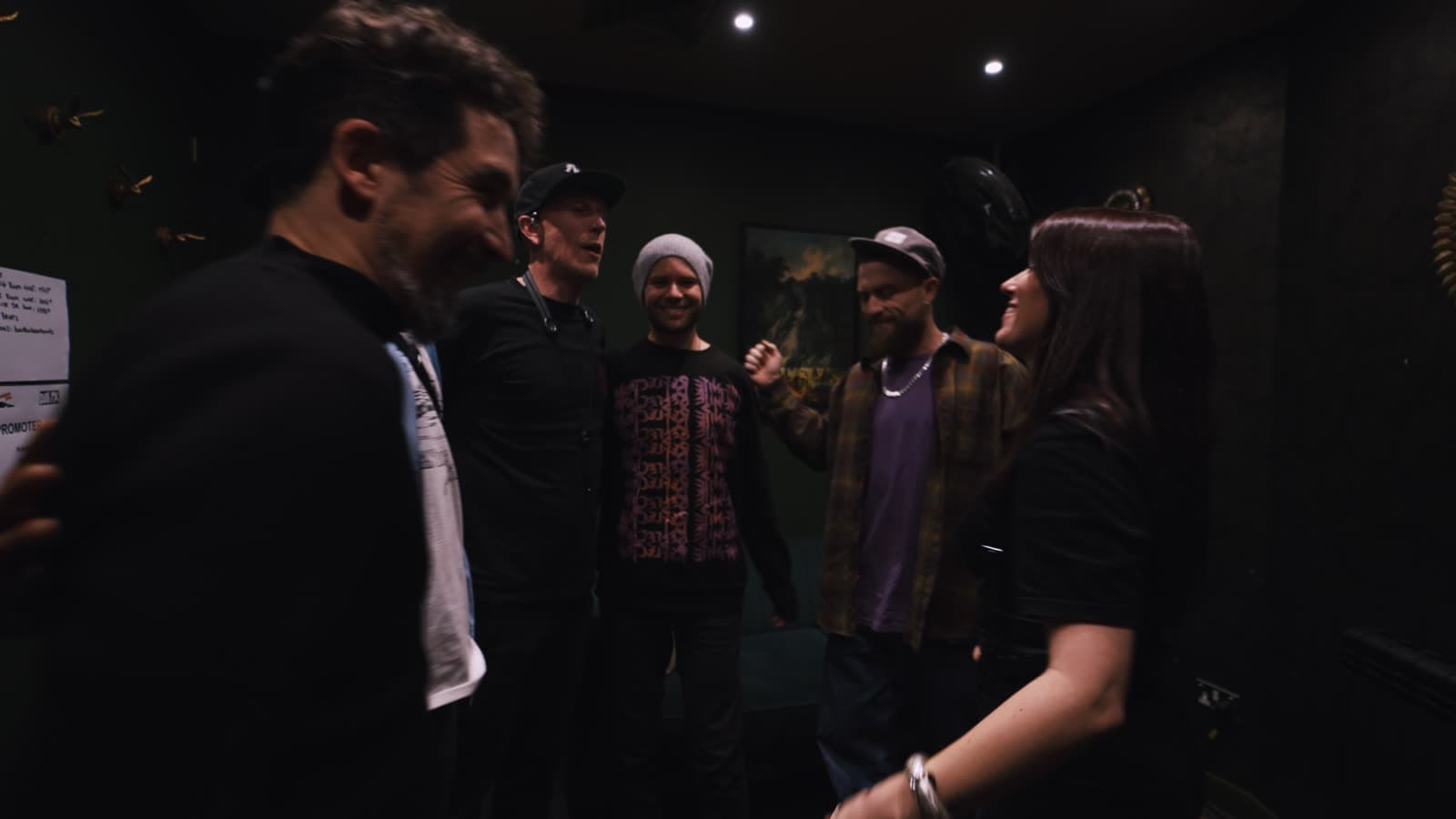
And that changes what the film becomes for the artist
The right Film Director doesn't just give you footage. They give you a way to preserve, express and experience a chapter of your own career: a film that reflects the significance of what you created, a visual language that feels like you, a record you can return to years later and still recognise the person, the work and the moment.
And something your audience can experience without needing access to your private life. They don't just see what happened. They understand more of why it mattered.
So when choosing a Film Director...
Don't only ask: do I like their images? Ask:
- Do they understand what I'm trying to say?
- Can they translate that message into a visual language?
- Do I trust them with a moment I can't recreate?
- Can they lead a team and collaborate with mine?
- Are they prepared, reliable and able to adapt under pressure?
- Do they understand the level of the moment — and can they represent it accordingly?
Because the role of a Film Director isn't simply to make your biggest career moment look cinematic.